

How Does Bright Data Work? Beginner’s Guide to Web Data Collection 2026. Learn how Bright Data collects web data using proxies, scraping tools, and APIs, plus features, pricing, use cases, and whether it is worth it.
Introduction
In this How Does Bright Data Work? Beginner’s Guide to Web Data Collection, we will explore one of the most powerful platforms businesses use to collect and analyze public web data in 2026.
Today, data plays a major role in almost every industry. Companies use web data to monitor competitors, track product prices, research markets, generate leads, improve SEO, and make smarter business decisions. However, manually collecting information from hundreds or thousands of websites is slow, difficult, and almost impossible to scale.
Also see; What Is Sendcloud? Complete Guide to Shipping Automation for Online Stores
This is where Bright Data comes in.
Bright Data is a web data collection platform that helps businesses automatically gather public information from websites at scale. Instead of copying data manually, users can automate the process using proxies, scraping tools, APIs, and ready-made datasets.
Businesses commonly use Bright Data for:
- Competitor monitoring
- E-commerce product tracking
- SEO and keyword research
- Market intelligence
- Lead generation
- Ad verification
For beginners, the platform may sound technical at first, but once you understand how it works, the idea becomes much easier.
“In the digital economy, businesses that understand data usually make faster and smarter decisions.”
This beginner’s guide is designed for:
- Marketers and SEO professionals
- E-commerce businesses
- Researchers and analysts
- Entrepreneurs curious about web scraping
- Beginners wanting to understand Bright Data
By the end of this guide, you will clearly understand:
- How Bright Data works
- What tools and features it offers
- Whether it is beginner-friendly
- And if it is worth using for web data collection in 2026
What Is Bright Data?
To understand How Does Bright Data Work? Beginner’s Guide to Web Data Collection, we first need to understand what Bright Data actually is.
Bright Data is a web data collection platform that helps businesses gather public information from websites automatically. Instead of manually copying information, Bright Data uses proxies, web scraping tools, and APIs to collect large amounts of data quickly.
In simple terms:
Bright Data helps businesses collect public web data faster and at scale.
Companies use Bright Data for:
- Competitor price monitoring
- Market research
- SEO and keyword tracking
- Lead generation
- E-commerce product analysis
Why Businesses Use Bright Data
In 2026, businesses rely heavily on data to stay competitive. Bright Data makes it easier to collect information from websites without spending hours doing manual research.
Also see; Printify for Beginners: How It Works, Features & Honest Review
For example:
- E-commerce brands monitor competitor prices
- SEO agencies track rankings and search trends
- Marketers gather customer insights
Quick Overview Table
| Feature | Purpose |
|---|---|
| Proxies | Access public web data |
| Scraping Tools | Collect website information |
| APIs | Automate data collection |
| Datasets | Ready-made public data |
Key Insight: Bright Data is not just a scraping tool — it is a complete web data collection platform for businesses and researchers.
How Does Bright Data Work?
In this How Does Bright Data Work? Beginner’s Guide to Web Data Collection, the biggest question is how Bright Data actually collects website information.
The process is simpler than it sounds. Bright Data helps users gather public web data automatically using proxies, scraping tools, and APIs.
Step 1: Create a Bright Data Account
First, users create an account and choose the type of web data tool they need based on their goal.
For example:
- SEO tracking
- Competitor monitoring
- E-commerce product research
- Lead generation
Step 2: Choose a Data Collection Tool
Bright Data offers different ways to collect information:
- Proxy Networks → Access websites from different locations
- Scraping APIs → Automatically collect website data
- No-Code Tools → Beginner-friendly data collection
- Datasets → Ready-made public web data
Step 3: Collect Website Data
Once the setup is complete, Bright Data automatically gathers information from public websites.
Examples of collected data:
- Product prices
- Reviews and ratings
- Search rankings
- Contact information
- Market trends
This saves businesses hours of manual research.
Step 4: Export and Analyze Data
After collection, users can export data into formats like:
- CSV
- JSON
- API integrations
This makes analysis easier for marketing, research, and business decisions.
Simple Workflow Table
| Step | Action |
|---|---|
| 1 | Create account |
| 2 | Choose tool |
| 3 | Collect web data |
| 4 | Export results |
“Bright Data turns manual research into automated web data collection.”
Key Insight: The platform works by automating the process of collecting public website information at scale.
Bright Data Features Explained
In this How Does Bright Data Work? Beginner’s Guide to Web Data Collection, understanding the main features is important because these tools are what make Bright Data powerful for businesses and researchers.
Proxy Network
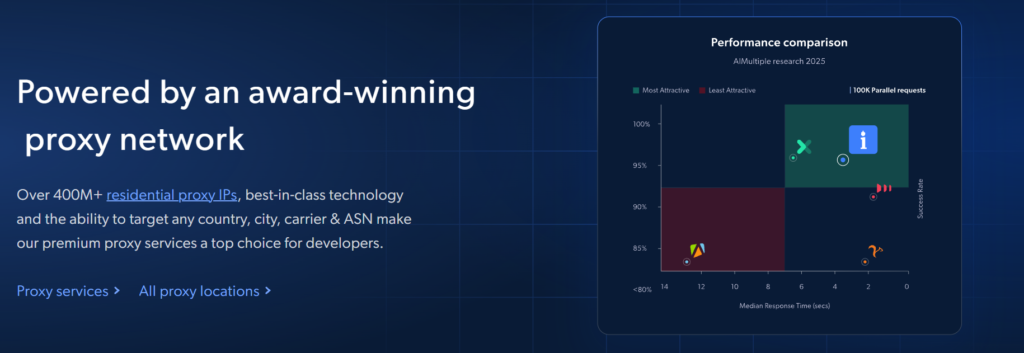
Bright Data is widely known for its large proxy network, which helps users access public web data from different locations.
Types include:
- Residential Proxies – Real user IP addresses
- Datacenter Proxies – Fast and affordable
- Mobile Proxies – Mobile network IPs
- ISP Proxies – Stable, high-performance connections
This helps businesses collect data more reliably.
Web Scraping Tools
Bright Data provides scraping tools that automatically collect website information without manual work.
You can use:
- Scraping APIs for automation
- No-code scraping tools for beginners
- Custom scraping setups for advanced users
This makes web data collection faster and easier.
Ready-Made Datasets
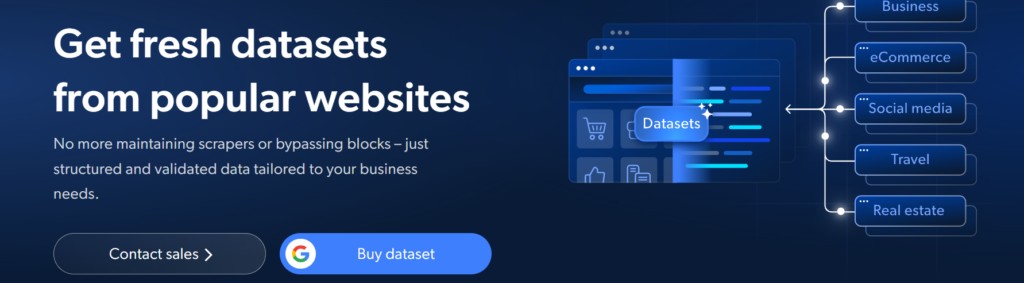
For users who don’t want to collect data manually, Bright Data offers pre-collected public datasets.
Examples:
- E-commerce product data
- Market research information
- Business listings
This saves significant time.
Data Export & Integrations
Collected data can be exported into:
- CSV
- JSON
- API connections
This allows easy integration with analytics or business tools.
Features Summary Table
| Feature | Benefit |
|---|---|
| Proxy Network | Access web data globally |
| Scraping Tools | Automated data collection |
| Datasets | Ready-made public data |
| Export Options | Easy analysis and integration |
Quick Insight: Bright Data combines proxies, scraping, and datasets into one complete web data platform.

What Can You Use Bright Data For?
In this How Does Bright Data Work? Beginner’s Guide to Web Data Collection, one important question is what Bright Data is actually used for in real businesses. Since it is a web data collection platform, companies use it to gather public information and make smarter decisions faster.
Competitor Price Monitoring
E-commerce businesses often use Bright Data to track competitor pricing. Instead of manually checking websites every day, the platform automatically collects product prices, discounts, and stock information. This helps businesses adjust pricing strategies and stay competitive.
Market Research
Bright Data is commonly used for market research because businesses need real-time information to understand trends and customer behavior. Companies collect public data to identify growing markets, popular products, and industry changes.
SEO and Keyword Tracking
SEO professionals use Bright Data to monitor search results, keywords, and competitor rankings. This makes it easier to understand search trends and improve website visibility.
Lead Generation
Businesses can collect publicly available business information for sales and marketing purposes. This helps teams identify potential customers and market opportunities more efficiently.
E-commerce Product Analysis
Online stores use Bright Data to monitor:
- Product pricing
- Customer reviews
- Product availability
- Competitor listings
This helps improve product strategy and profitability.
Ad Verification
Brands and advertisers use Bright Data to verify where ads appear online and ensure campaigns are running correctly.
Common Bright Data Use Cases Table
| Use Case | Purpose |
|---|---|
| Competitor Monitoring | Track prices & products |
| Market Research | Analyze trends |
| SEO Tracking | Monitor rankings |
| Lead Generation | Find business opportunities |
| E-commerce Analysis | Compare products |
| Ad Verification | Monitor campaigns |
Key Insight: Bright Data is mainly used to turn public website information into valuable business insights.
Is Bright Data Beginner-Friendly?
In this How Does Bright Data Work? Beginner’s Guide to Web Data Collection, many beginners ask whether Bright Data is easy to use or too technical.
The short answer is: yes, but with a learning curve.
Bright Data offers beginner-friendly tools such as no-code web scraping and ready-made datasets, which make it easier for non-technical users to collect public web data. However, some advanced features like proxy setup and APIs may feel complex for complete beginners.
Why Bright Data Can Be Beginner-Friendly
Bright Data is easier to use than many people expect because it provides:
- No-code scraping tools
- Ready-made public datasets
- Dashboard-based management
- Automated data collection options
This means beginners can start without advanced coding knowledge.
Why Some Beginners May Find It Difficult
At the same time, Bright Data is built for serious web data collection, so some parts may require learning.
Common challenges include:
- Understanding proxies
- Setting up scraping rules
- Learning APIs
- Choosing the right tool for your goal
Who Should Use Bright Data?
Bright Data is best for:
- SEO professionals
- E-commerce businesses
- Market researchers
- Agencies and marketers
- Businesses needing large-scale web data collection
Who May Find It Too Advanced?
It may not be ideal for:
- Users wanting instant setup with zero learning
- Small businesses with no real data needs
- Beginners who only need simple research
Beginner Suitability Table
| Factor | Rating |
|---|---|
| Ease of Use | ⭐⭐⭐⭐ |
| Beginner Friendly | ⭐⭐⭐ |
| Learning Curve | Moderate |
| Scalability | ⭐⭐⭐⭐⭐ |
Quick Insight: Bright Data is beginner-accessible, but the more advanced your goals, the more learning is required.
Bright Data Pricing
In this How Does Bright Data Work? Beginner’s Guide to Web Data Collection, pricing is an important factor because costs can vary depending on how much data you need and which tools you use.
Bright Data uses a flexible pricing model, meaning users pay based on services such as proxies, scraping tools, APIs, or datasets. This makes it suitable for both small projects and large businesses.
Free Trial
Bright Data offers a free trial, allowing beginners to test some features before committing to a paid plan. This is useful for learning how the platform works without major risk.
Pay-as-You-Go Pricing
For many users, Bright Data offers usage-based pricing. This means you only pay for the amount of web data collection or proxy usage you need.
This works best for:
- Small businesses
- SEO professionals
- Short-term research projects
Business & Enterprise Plans
Larger companies that collect huge amounts of web data can choose advanced plans with:
- Higher usage limits
- Premium support
- Faster infrastructure
- Advanced scraping tools
Pricing Overview Table
| Plan Type | Best For |
|---|---|
| Free Trial | Beginners testing platform |
| Pay-as-You-Go | Small projects |
| Business Plans | Growing businesses |
| Enterprise | Large-scale operations |
Is Bright Data Worth the Price?
Bright Data can feel expensive for beginners, but businesses needing reliable web data collection often find it valuable because it saves time and improves decision-making.
Key Insight: Bright Data pricing works best for businesses that regularly depend on public web data.
Bright Data Pros and Cons
In this How Does Bright Data Work? Beginner’s Guide to Web Data Collection, it’s important to understand both the advantages and limitations before deciding if it fits your needs.
Bright Data is powerful for web data collection, but like any advanced platform, it comes with strengths and trade-offs.
Pros of Bright Data
Bright Data is widely used because it offers strong capabilities for businesses and researchers.
- Powerful data collection tools – Supports scraping, proxies, and APIs
- Large global proxy network – Helps access public web data reliably
- Scalable system – Works for both small and enterprise-level projects
- Multiple data solutions – Scraping, datasets, and automation in one platform
- High flexibility – Can be used for SEO, e-commerce, and market research
Cons of Bright Data
Despite its strengths, Bright Data also has some challenges, especially for beginners.
- Steep learning curve – Advanced tools require technical understanding
- Can be expensive – Pricing may be high for small users
- Setup complexity – Some features require configuration
- Not beginner-focused in all areas – Best results come with experience
Pros vs Cons Summary Table
| Pros | Cons |
|---|---|
| Advanced web data tools | Learning curve for beginners |
| Large proxy infrastructure | Can be costly |
| Scalable for businesses | Requires setup knowledge |
| Multiple use cases | Not fully plug-and-play |
Quick Insight: Bright Data is more powerful than simple tools, but it requires more learning to use effectively.
Bright Data vs Competitors
In this How Does Bright Data Work? Beginner’s Guide to Web Data Collection, it’s useful to compare Bright Data with other tools so you can understand where it stands in the web data industry.
Bright Data is considered a premium web data collection platform, but there are several alternatives depending on your budget and technical level.
Bright Data vs ScraperAPI
ScraperAPI is a simpler alternative focused mainly on easy web scraping through APIs.
Bright Data offers:
- More advanced proxy networks
- Larger data collection infrastructure
- More enterprise-level tools
ScraperAPI offers:
- Easier setup for beginners
- Simpler API-based scraping
- Lower complexity but fewer advanced features
Key Insight: Bright Data is more powerful, while ScraperAPI is easier for beginners.
Bright Data vs Oxylabs
Oxylabs is another major competitor in the web data space.
Bright Data provides:
- Broader dataset marketplace
- More flexible scraping tools
- Stronger ecosystem for enterprises
Oxylabs provides:
- High-quality proxy services
- Strong focus on enterprise clients
- Clean and stable infrastructure
Key Insight: Both are enterprise-level tools, but Bright Data offers more diverse data solutions.
Bright Data vs Manual Data Collection
Manual data collection means visiting websites and copying information yourself.
| Factor | Bright Data | Manual Collection |
|---|---|---|
| Speed | Fast automation | Very slow |
| Scalability | High | Very limited |
| Accuracy | High (automated) | Human errors possible |
| Effort | Low after setup | Very high |
Key Insight: Manual collection cannot compete with automated web data tools at scale.
Which One Is Best?
- Bright Data → Best for advanced web data collection and scaling
- ScraperAPI → Best for beginners and simple scraping
- Oxylabs → Best for enterprise proxy stability
“The best tool depends on whether you want simplicity or full-scale data power.”
How to Get Started with Bright Data
In this How Does Bright Data Work? Beginner’s Guide to Web Data Collection, getting started is simpler than it looks once you understand the basic flow. Bright Data is designed to guide users through setup step by step so they can start collecting public web data efficiently.
Step 1: Create an Account
The first step is to sign up on Bright Data and access the main dashboard. From here, users can choose different tools depending on their needs such as proxies, scraping APIs, or datasets.
Step 2: Choose a Data Collection Tool
After logging in, you select the tool that matches your goal. For example, you can use proxies for accessing websites, scraping APIs for automation, or datasets for ready-made information.
Step 3: Set Up Your Project
Next, you configure your project by selecting target websites, defining what data you want to collect, and setting rules for extraction. This step determines how your web data collection will work.
Step 4: Run Data Collection
Once everything is set up, you start the process. Bright Data will automatically collect public information from websites based on your configuration and tools.
Step 5: Export Your Data
After collection, you can export the data into formats like CSV, JSON, or API integration for analysis and reporting.
Quick Setup Summary Table
| Step | Action |
|---|---|
| 1 | Create account |
| 2 | Choose tool |
| 3 | Set up project |
| 4 | Run collection |
| 5 | Export data |
Key Insight: Once configured, Bright Data can automate most of the web data collection process.
Real Use Case Example
In this How Does Bright Data Work? Beginner’s Guide to Web Data Collection, real examples help you understand how Bright Data is used in actual business situations. This shows how companies turn raw web data into valuable insights.
Example: E-commerce Price Monitoring
An online store selling electronics wants to stay competitive by tracking competitor prices daily. Instead of manually checking websites, they use Bright Data to automate the process.
Bright Data collects public product data such as prices, discounts, stock availability, and product details from competitor websites and organizes it into a structured format.
Before Using Bright Data
Before automation, the business manually checked competitor websites, copied prices into spreadsheets, and updated them daily. This process was slow, inconsistent, and prone to human error.
After Using Bright Data
After implementing Bright Data, the same business now receives automated data updates. Prices are collected in real time, organized in dashboards, and used for quick pricing decisions.
Business Impact
The company benefits from faster decision-making, improved pricing strategy, and reduced manual workload. This allows them to focus more on marketing and sales instead of data collection.
Case Summary Table
| Stage | Manual Process | With Bright Data |
|---|---|---|
| Data Collection | Slow & manual | Automated |
| Accuracy | Medium | High |
| Speed | Low | Real-time |
| Workload | High | Minimal |
Key Insight: Bright Data turns competitor research into an automated and continuous process.
Final Verdict: Is Bright Data Worth It?
In this How Does Bright Data Work? Beginner’s Guide to Web Data Collection, we now come to the final question: is Bright Data actually worth using in 2026?
The answer depends on your goals, but for most businesses that rely on web data collection, Bright Data is a powerful and valuable tool.
Overall Value of Bright Data
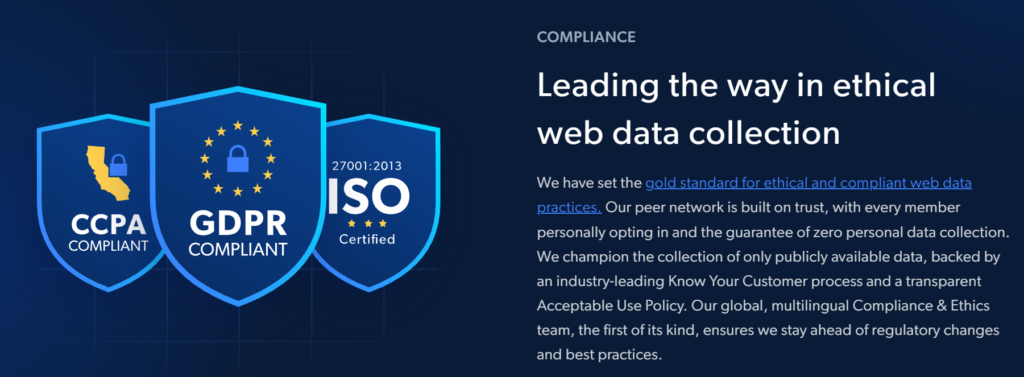
Bright Data is designed for users who need large-scale, accurate, and automated access to public web data. It is not a simple tool, but a full ecosystem for data collection, scraping, and analysis.
It is especially useful for:
- Market research teams
- E-commerce businesses
- SEO agencies
- Data-driven companies
When Bright Data Is Worth It
Bright Data is a strong choice if you need:
- Continuous competitor tracking
- Large-scale web data collection
- Automated scraping workflows
- Reliable proxy infrastructure
- Business intelligence data
When Bright Data May Not Be Ideal
Bright Data may NOT be the best option if you:
- Only need small or occasional data
- Prefer very simple beginner tools
- Do not want to deal with setup or learning
- Have no real use for large-scale data collection
Final Comparison Table
| Factor | Verdict |
|---|---|
| Power | Very High |
| Ease of Use | Moderate |
| Scalability | Excellent |
| Beginner Friendly | Medium |
| Value for Businesses | High |
Final Insight: Bright Data is not just a tool — it is a full web data infrastructure for serious users.
Final Recommendation
Bright Data is worth it for businesses and professionals who depend on accurate and scalable web data collection. However, beginners should be ready to learn the basics before getting full value from the platform.