
Best Webflow Alternatives in 2026: Compare top website builders like Wix, Squarespace, WordPress, Shopify, Framer, and Elementor. Find the best platform for beginners, designers, and businesses.
Introduction
Finding the Best Webflow Alternatives in 2026 has become important for freelancers, businesses, designers, and beginners who want to build professional websites without unnecessary complexity or high costs.
While Webflow is one of the most powerful no-code website builders available today, it is not always the easiest or most affordable option for everyone. Many users look for alternatives because they want simpler tools, lower pricing, faster setup, or platforms that better match their specific goals.
Also see; Best Unbounce Alternatives in 2026: Top Landing Page Builders Compared
Website builders have evolved significantly in recent years. Today, you don’t need coding skills to create modern, responsive, and SEO-friendly websites. Tools like Wix, Squarespace, WordPress, Shopify, and Framer now offer strong alternatives depending on your needs.
In this guide, we will explore the top Webflow alternatives in 2026, comparing features, pricing, ease of use, and ideal use cases. This will help you choose the right platform whether you are building a business website, portfolio, blog, or online store.
Also see; How Does Bright Data Work? Beginner’s Guide to Web Data Collection
By the end of this article, you will understand:
- The best Webflow alternatives in 2026
- Which website builder fits your skill level
- Which tools are best for SEO, design, or e-commerce
- How to choose the right platform for your goals
“The best website builder is not the most advanced one — it’s the one you can actually use effectively.”
Why Look for Webflow Alternatives?
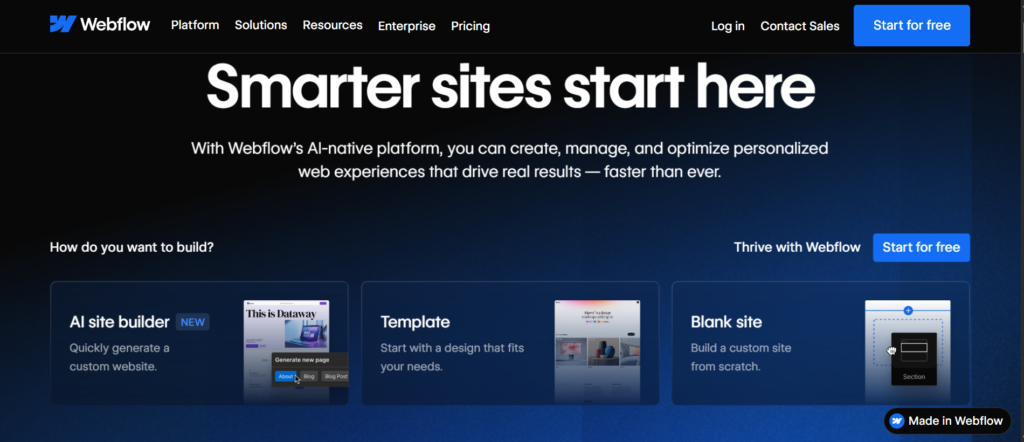
When exploring the Best Webflow Alternatives in 2026, it is important to understand why many users decide to move away from Webflow in the first place. Even though Webflow is a powerful and flexible platform, it is not always the most practical choice for every user type.
Different users have different needs. A beginner building their first website will have very different expectations compared to a professional designer or an agency managing multiple clients.
High Learning Curve for Beginners
One of the biggest reasons people search for Webflow alternatives is the learning curve. Webflow gives full design control, but that control comes with complexity.
Beginners often struggle with:
- Understanding layout structure (divs, containers, grids)
- Responsive design settings
- Advanced animations and interactions
- CMS configuration
This makes Webflow powerful but not always beginner-friendly.
Pricing Can Be Expensive
Another major reason users look for alternatives is cost. Webflow pricing can become expensive, especially when adding CMS features, hosting, or multiple projects.
Small businesses and freelancers often prefer tools with:
- Free plans or cheaper starter tiers
- Simpler pricing structures
- Fewer technical add-ons
Faster Website Building Needs
Many users want to launch websites quickly without spending days learning tools. Some Webflow alternatives focus on speed and simplicity instead of deep customization.
These platforms offer:
- Ready-made templates
- One-click website setup
- Simple drag-and-drop editors
Better E-commerce or Blogging Options
In some cases, users switch because other platforms perform better in specific areas like:
- Blogging (better content management systems)
- E-commerce (stronger store tools)
- SEO optimization (simpler setup and control)
For example, Shopify is often preferred for online stores, while WordPress is popular for SEO-focused websites.
Summary Table: Why Users Switch from Webflow
| Reason | Explanation |
|---|---|
| Complexity | Difficult for beginners |
| Cost | Higher pricing plans |
| Speed | Slower setup for new users |
| Features | Other tools specialize better |
| Simplicity | Need for easier workflows |
Key Insight: Most users are not leaving Webflow because it is bad — they are switching because they need something simpler, cheaper, or more specialized.
What Makes a Good Website Builder?
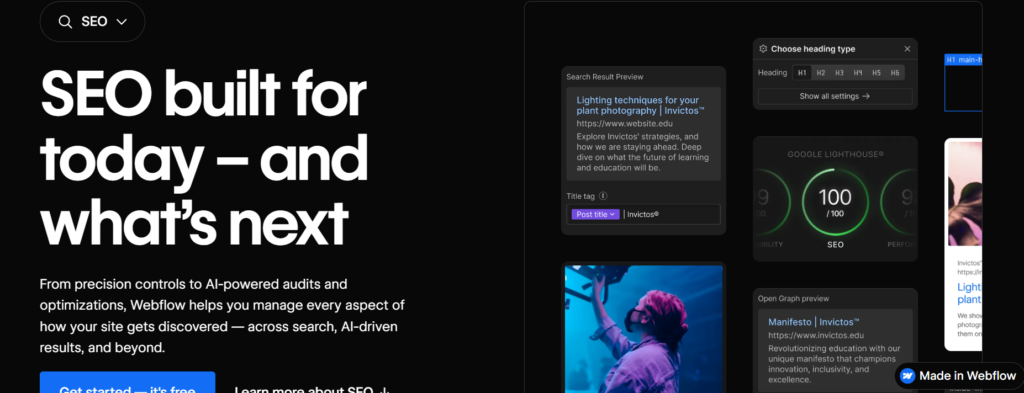
When searching for the Best Webflow Alternatives in 2026, it is not enough to just pick a popular tool. You need to understand what actually makes a website builder useful for your specific goals.
A good website builder should help you create a professional website quickly, without unnecessary complexity, while still giving you the flexibility to grow and customize your site over time.
Easy Drag-and-Drop Editing
A strong website builder should offer a simple drag-and-drop interface so users can build pages visually without coding.
Key things to look for:
- Simple layout editor
- Visual design controls
- No coding required for basic pages
- Fast page creation process
This is especially important for beginners and small business owners.
Templates and Design Quality
Good website builders provide high-quality templates that help users start faster and look professional from day one.
Look for:
- Modern, responsive templates
- Industry-specific designs
- Easy customization options
- Mobile-friendly layouts
Templates save time and reduce design mistakes.
SEO and Performance Tools
A website is useless if it cannot be found on Google. That is why SEO tools are essential in any Webflow alternative.
Important SEO features include:
- Meta tag control
- Fast loading speed
- Mobile optimization
- Clean URL structures
- Image optimization
These features help improve search rankings and visibility.
E-commerce and Business Features
Many users build websites for business, so e-commerce and marketing tools are very important.
Useful features include:
- Online store functionality
- Payment integrations
- Email marketing tools
- CRM integrations
- Analytics dashboards
These tools help turn websites into income-generating assets.
Pricing and Scalability
A good website builder should grow with your needs. Some tools are cheap at the start but become expensive later, while others offer better long-term value.
Things to consider:
- Free plan availability
- Monthly or yearly pricing
- Upgrade flexibility
- Feature limits per plan
Key Features Comparison Table
| Feature | Why It Matters |
|---|---|
| Drag-and-drop editor | Easy website building |
| Templates | Faster design process |
| SEO tools | Better Google ranking |
| E-commerce | Online business support |
| Pricing flexibility | Long-term affordability |
Key Insight: The best website builder is the one that balances ease of use, SEO performance, and long-term scalability.
Best Webflow Alternatives in 2026 (Top Website Builders Compared)
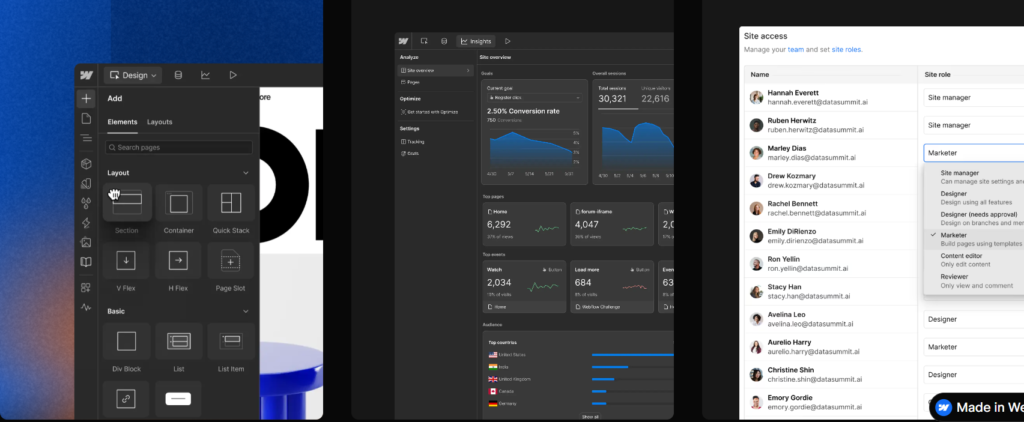
When choosing the Best Webflow Alternatives in 2026, it is important to compare different website builders based on features, pricing, ease of use, and target audience. Each platform has its own strengths, and the right choice depends on whether you are a beginner, designer, business owner, or e-commerce seller.
Below are the top alternatives to Webflow in 2026.
1. Wix
Wix is one of the most popular Webflow alternatives because it is extremely easy to use and beginner-friendly. It offers a drag-and-drop editor that allows users to build websites quickly without any coding knowledge.
Key features:
- Simple drag-and-drop builder
- Hundreds of templates
- Built-in SEO tools
- App marketplace for extra features
Best for: Beginners, small businesses, personal websites
Pros: Very easy to use, fast setup
Cons: Less advanced design control compared to Webflow
2. Squarespace
Squarespace is known for its modern, clean, and visually appealing templates. It is often used by designers, photographers, and creatives who want beautiful websites without complex setup.
Key features:
- High-quality design templates
- Built-in blogging tools
- E-commerce support
- Mobile responsive design
Best for: Creatives, portfolios, small businesses
Pros: Beautiful designs, easy setup
Cons: Less flexibility than Webflow
3. WordPress
WordPress is one of the most powerful and flexible website platforms in the world. It is widely used for blogs, business websites, and SEO-focused projects.
Key features:
- Thousands of plugins
- Full customization control
- Strong SEO capabilities
- Large community support
Best for: Bloggers, SEO websites, advanced users
Pros: Highly flexible, great for SEO
Cons: Requires more setup and maintenance
4. Shopify
Shopify is the leading platform for building online stores. It is designed specifically for e-commerce businesses that want to sell products online.
Key features:
- Easy store setup
- Secure payment processing
- Inventory management
- App integrations
Best for: E-commerce businesses
Pros: Powerful selling tools
Cons: Limited design flexibility compared to Webflow
5. Framer
Framer is a modern no-code website builder that focuses on speed, design, and AI-powered website creation. It is becoming a strong competitor to Webflow.
Key features:
- AI website generation
- Modern design interface
- Fast publishing
- Smooth animations
Best for: Designers and startups
Pros: Modern and fast
Cons: Still growing ecosystem
6. Elementor
Elementor is a popular page builder for WordPress that allows users to design websites visually.
Key features:
- Drag-and-drop builder
- Pre-designed templates
- Advanced styling options
- WordPress integration
Best for: WordPress users
Pros: Easy visual design on WordPress
Cons: Depends on WordPress setup
Comparison Summary Table
| Platform | Best For | Ease of Use | Strength |
|---|---|---|---|
| Wix | Beginners | Very Easy | Simplicity |
| Squarespace | Creatives | Easy | Design |
| WordPress | Bloggers | Medium | SEO & Flexibility |
| Shopify | E-commerce | Easy | Online Stores |
| Framer | Designers | Medium | Modern Design |
| Elementor | WordPress users | Medium | Visual Editing |
Key Insight: The best Webflow alternative depends on your goals — not just features, but how easily you can build and manage your website.
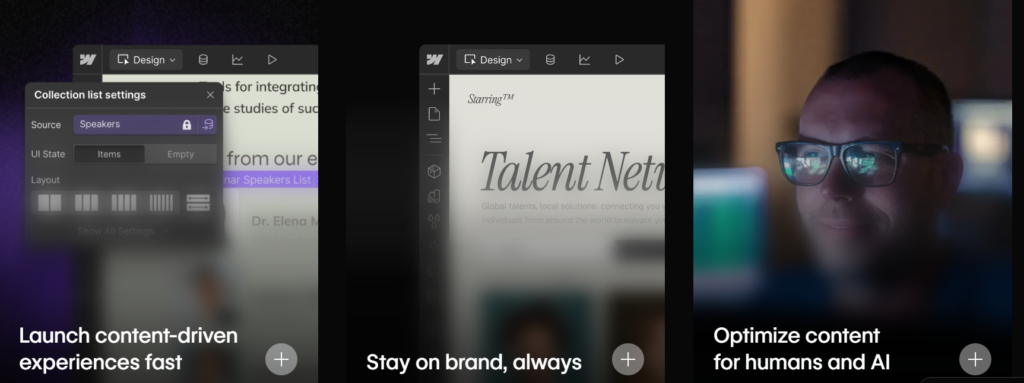
Comparison Table: Best Webflow Alternatives in 2026
When analyzing the Best Webflow Alternatives in 2026, a direct comparison makes it easier to understand which platform fits different needs. Each website builder offers unique strengths in design, ease of use, pricing, and functionality.
Below is a clear breakdown to help you choose the right tool for your website goals.
Website Builders Comparison Overview
| Platform | Best For | Ease of Use | Design Flexibility | Pricing Level |
|---|---|---|---|---|
| Wix | Beginners & small businesses | Very Easy | Medium | Low–Medium |
| Squarespace | Creatives & portfolios | Easy | High | Medium |
| WordPress | Blogs & SEO websites | Medium | Very High | Low–Medium |
| Shopify | Online stores | Easy | Medium | Medium–High |
| Framer | Designers & startups | Medium | High | Medium |
| Elementor | WordPress users | Medium | High | Low–Medium |
Key Differences Explained
Each Webflow alternative serves a different type of user. Wix focuses on simplicity, while WordPress focuses on flexibility and SEO power. Shopify is built for selling products, while Squarespace focuses on visual design quality.
Framer is more modern and design-driven, making it popular among startups and UI designers. Elementor, on the other hand, enhances WordPress with a visual editing experience.
Which Factor Matters Most?
When choosing between these platforms, focus on what matters most for your project:
- Ease of use: Wix or Squarespace
- SEO power: WordPress
- E-commerce: Shopify
- Design control: Webflow or Framer
- WordPress customization: Elementor
Quick Decision Guide
| Goal | Best Choice |
|---|---|
| Simple website | Wix |
| Portfolio or creative site | Squarespace |
| SEO-focused blog | WordPress |
| Online store | Shopify |
| Modern design site | Framer |
| WordPress design control | Elementor |
Key Insight: There is no single winner — the best Webflow alternative depends on whether you prioritize ease, design, SEO, or e-commerce.
Which Webflow Alternative Is Best for You?
Choosing the Best Webflow Alternatives in 2026 depends entirely on your goals, experience level, and the type of website you want to build. Each platform serves a different purpose, so the “best” option is the one that fits your specific needs.
Below is a simple breakdown to help you decide faster.
Best for Beginners
If you are new to website building and want something simple, Wix is one of the easiest options available.
It offers drag-and-drop editing, ready-made templates, and a smooth learning curve, making it ideal for first-time users.
Best for Designers and Creatives
If your focus is design quality and visual storytelling, Squarespace is a strong choice.
It is widely used by photographers, designers, and creatives because of its modern templates and clean layouts.
Best for SEO and Blogging
If your goal is ranking on Google and building long-term content, WordPress is the most powerful option.
It offers full control over SEO, plugins, and content structure, making it ideal for blogs and content-heavy websites.
Best for E-commerce Businesses
If you want to sell products online, Shopify is the best choice.
It is built specifically for online stores, offering secure payments, inventory tools, and marketing integrations.
Best for Modern Design and Startups
If you want a modern, fast, and design-focused tool, Framer is a great alternative.
It is popular among startups because of its AI tools, animations, and clean interface.
Best for WordPress Users
If you already use WordPress and want better design control, Elementor is the best option.
It allows you to visually design pages without coding while still using the power of WordPress.
Quick Recommendation Table
| Goal | Best Platform |
|---|---|
| Beginners | Wix |
| Designers | Squarespace |
| SEO Websites | WordPress |
| Online Stores | Shopify |
| Modern Startup Sites | Framer |
| WordPress Design Control | Elementor |
Key Insight: The best Webflow alternative is not about features alone — it is about matching the platform to your skill level and business goal.
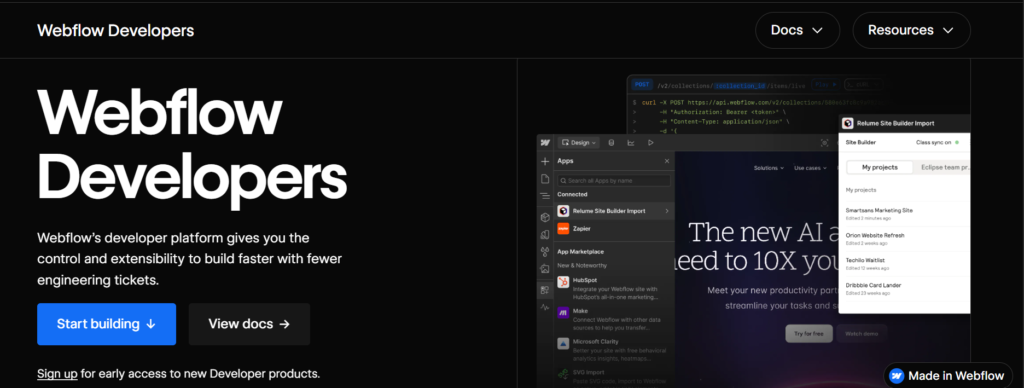
Pros and Cons of Switching from Webflow
Before moving to one of the Best Webflow Alternatives in 2026, it is important to understand what you gain and what you might lose when switching away from Webflow.
Some users switch for simplicity, cost, or specific features, but every platform change comes with trade-offs.
Advantages of Switching from Webflow
Many users choose alternatives because they want a smoother or more affordable experience.
Key benefits include:
- Easier learning curve – Platforms like Wix or Squarespace are simpler to use
- Lower cost options – Some alternatives are more budget-friendly
- Faster setup – Pre-built templates allow quicker website launches
- Beginner-friendly tools – Less technical knowledge required
- Better specialization – Some tools focus more on SEO, blogging, or e-commerce
These advantages are especially useful for beginners and small businesses.
Disadvantages of Switching from Webflow
Even though alternatives are easier, you may lose some advanced capabilities.
Possible drawbacks include:
- Less design control – Webflow offers deeper customization
- Fewer advanced animations – Some tools are more limited visually
- Reduced flexibility – Complex layouts may be harder to build
- Migration effort – Moving an existing website takes time and planning
For designers or agencies, this can be a significant limitation.
Pros vs Cons Table
| Pros of Switching | Cons of Switching |
|---|---|
| Easier to use | Less design flexibility |
| Lower pricing | Limited advanced features |
| Faster setup | Migration effort required |
| Beginner-friendly | Fewer customization options |
Real-World Insight
In practice, many users who switch from Webflow do so not because it is плох (bad), but because they want a simpler workflow or a platform that matches their current skill level.
For example:
- A beginner may switch to Wix for simplicity
- A blogger may switch to WordPress for SEO
- An e-commerce store may switch to Shopify for selling tools
Key Insight: Switching from Webflow is often about convenience and specialization, not performance limitations.
Final Verdict: Best Webflow Alternatives in 2026
After reviewing the Best Webflow Alternatives in 2026, it is clear that there is no single perfect website builder for everyone. The right choice depends on your goals, budget, and experience level.
While Webflow remains one of the most powerful no-code platforms, many users prefer alternatives that are easier, cheaper, or more specialized.
Overall Best Choice Breakdown
Each platform stands out in a different area:
- Best for beginners: Wix — simple drag-and-drop builder and fast setup
- Best for creatives: Squarespace — modern design and beautiful templates
- Best for SEO & blogging: WordPress — full control and strong search optimization
- Best for online stores: Shopify — powerful e-commerce features
- Best for modern startups: Framer — AI-powered design and fast publishing
- Best for WordPress design: Elementor — visual editing inside WordPress
Final Recommendation Table
| Goal | Best Platform |
|---|---|
| Simple website | Wix |
| Portfolio / creative work | Squarespace |
| Blogging & SEO | WordPress |
| E-commerce business | Shopify |
| Modern startup site | Framer |
| WordPress customization | Elementor |
Final Insight
The best Webflow alternative is not about which tool is most advanced — it is about which one helps you build, launch, and grow your website with the least friction.
If you are a beginner, prioritize simplicity. If you are a business, prioritize growth tools. If you are a designer, prioritize creative control.
Final Takeaway: Choose the platform that fits your workflow today, not the one you might struggle with tomorrow.